What does a solo Rust builder do when 200 hunters come for the base?
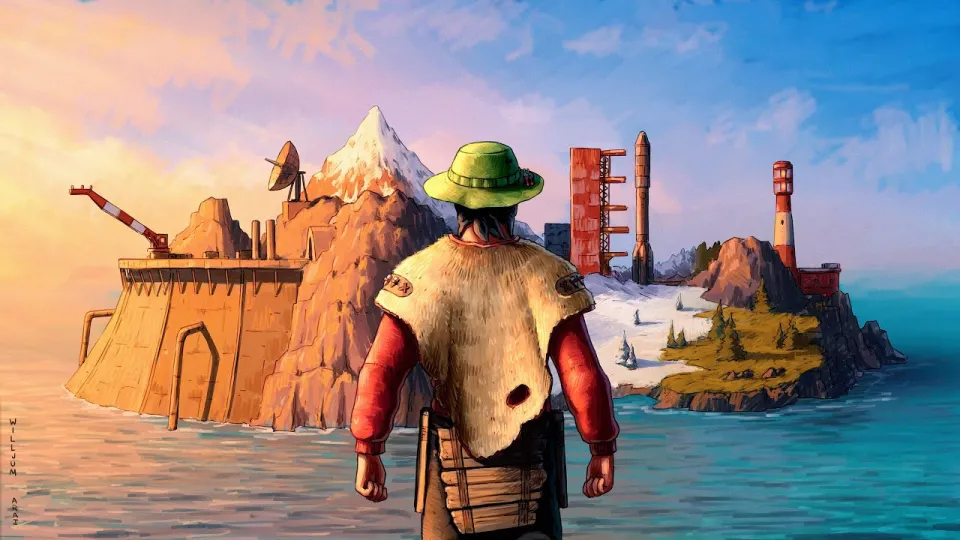
Video: When a Solo Rust builder Vs 200 Hunters...
Need articles like this for your video? They help promote it on YouTube and Google — order them in the Telegram bot @sat_sit_bot. Articles with your video embedded are written and posted by the bot itself — on popular topical sites (no ads). Try it free: 50 articles on us.
· based on the channel Willjum
Key takeaways
- Willjum's challenge pits one solo builder against a hunter force of roughly 200 players.
- The solo player gets a head start to farm, build, and stock a base before hunters spawn in.
- Survival depends on base layout, hidden loot, and supply runs rather than open fights.
- Friendly players can deliver gear and materials, turning strangers into logistics support.
- Viewers pushed for sequels: duo and trio versions, a longer prep window, and a 24-hour prep run.
A solo Rust builder survives a 200-hunter event by treating it as a base-building and logistics problem rather than a combat one. In Willjum's challenge, one player gets a head start to farm, place a base, and stock it, then a hunter force of roughly 200 players is let loose on the map with one goal: find the base and take it down. The solo side wins by staying hidden, spreading loot across multiple stashes, and using the prep window efficiently — not by winning gunfights. Supporters can back that kind of long-form experiment through Willjum's Patreon, which funds the solo survival projects and challenge videos.
How the solo builder versus 200 hunters format actually works
The format is asymmetric on purpose: one builder gets time and freedom, the hunters get numbers and information. The solo player starts alone on a fresh wipe, farms resources, and puts up a base before the hunting party is released. Once hunters are in, every loud action — gunfire, a furnace running at night, a visible door frame — becomes a beacon. The builder's job shifts from construction to concealment: move loot off-site, keep the main base looking poor, and never fight a group that can simply respawn and come back with more players.
The numbers matter more than the skill gap. A 200-player hunter side does not need to be coordinated to be dangerous; it only needs to sweep the map in enough directions that a base eventually gets spotted. That is why the challenge reads as a survival story rather than a PvP montage — the tension comes from footsteps, door sounds, and the question of how long a quiet corner of the map stays quiet.
Base design rules that decide whether a solo base lives or dies
A solo base in Rust survives a hunter event when it is cheap to rebuild, annoying to raid, and boring to look at. The builder's advantage is that hunters must choose where to spend time and explosives, and a base that looks like a starter shack rarely justifies the cost of a full raid.
- Build small and layered. Multiple airlocks and a compact footprint cost less than a big shell and force raiders to burn through more doors per square meter of loot.
- Separate the loot from the living space. A main base with a workshop, furnaces, and a bed, plus one or two hidden stashes elsewhere, means losing the front door is a setback, not the end of the run.
- Keep the exterior poor. Stone walls, no visible garage doors, no decorative lighting at night. Anything that signals wealth pulls hunters in.
- Pre-place backup bags. Spare sleeping bags and a small fallback base give the builder a second life without a long walk back into a watched area.
- Stock consumables over guns. Medical supplies, food, and building materials keep a solo player operational far longer than a rifle with two magazines.
Prep time is the real difficulty slider
Prep time is the single biggest variable in a solo-versus-horde Rust event, because every extra hour converts into walls, doors, and stored upkeep. A short prep window produces a scrappy, improvised defense where the builder is still farming when the hunters arrive. A long window produces a fortified compound with backup stashes, a stocked pantry, and enough materials to repair after the first breach.
That is why viewers repeatedly asked for a longer runway — a 24-hour prep version, or a four-hour organized prep event — rather than simply more hunters. The interesting question is not whether 200 players can break a solo base, since they usually can, but how much preparation one person can convert into time. Scaling prep time changes the whole story: the builder stops reacting and starts planning, choosing where to fight, what to abandon, and when to disappear.
Diplomacy, supply drops, and the solo player's social advantage
A solo builder's best defense against overwhelming numbers is often other players, because a hunter swarm has no reason to help a stranger while a lone builder can make allies fast. In a server-wide event, the solo player becomes the underdog everyone can root for. Friendly players have delivered gear and materials to the builder mid-run, effectively acting as a supply line that no raid can cut.
This is a real Rust mechanic as much as a social one. A solo player who talks in global chat, trades fairly, and does not shoot first can turn neutral neighbors into an early-warning network. In a hunter event, that network reports movements, flags suspicious groups, and occasionally drops off rope, gears, or components. The builder's reputation becomes a resource as valuable as stone.
Why this challenge works as a repeatable Rust format
The solo-versus-hunters concept works because it turns Rust's core asymmetry — time versus numbers — into a visible contest with a clear clock. Most Rust content follows the same arc: farm, fight, raid, lose everything. This format adds a deadline and an opposing team with a stated objective, which gives viewers something to track beyond kill counts.
It also scales cleanly. The same rules work with a duo, a trio, or a small team of builders; they work with different prep lengths; and they work when several creators run parallel bases on one island with a shared final stand. The audience response pointed in exactly that direction, asking for duo and trio rematches and for cross-creator versions where multiple builders defend separate bases before uniting against the horde. For a game where the biggest stories are usually clan-sized, a format built around one player's preparation is a genuinely different watch.
Common questions about solo survival in Rust events
Most doubts around this kind of challenge come down to feasibility, fairness, and what a solo player can realistically achieve. The honest answer is that a solo builder cannot out-fight 200 hunters and does not try to. The realistic goals are narrower: keep the base hidden longer than expected, protect a core stash, and make every raid cost more than the hunters want to spend.
The other recurring theme is verification. In a solo-only event, the builder's advantage depends on hunters actually being unable to group up, which is why server rules, admin oversight, and clearly stated spawn conditions matter as much as base design. Without those guardrails, the format collapses into a normal clan wipe with extra steps.
Useful links
- Willjum on Patreon — support the channel and its challenge videos.
- Willjum on Twitch — live Rust survival streams.
- Willjum on Twitter — updates and announcements.
- http://creativecommons.org/licenses/by/4.0/ — license referenced for the music used in the video.
Final thoughts on the solo builder versus 200 hunters experiment
A solo Rust builder beats a 200-hunter event not with aim but with preparation, concealment, and a base that is not worth the explosives. The prep window, the layout of the compound, and the willingness to abandon a compromised position decide far more than any single fight. Willjum's video is worth watching as a case study in how one player turns Rust's numbers disadvantage into a story with a clock on it, and the channel's broader catalog shows the same patient solo approach across wipes. If the format returns with a longer prep phase or a duo twist, the core lesson will not change: build small, hide well, and let the hunters waste their time.
Questions & answers
Can one player really survive against 200 hunters in Rust?
Not by fighting them. A solo builder survives by staying hidden, keeping loot split between a main base and off-site stashes, and making raids expensive enough that hunters move on. The goal is to outlast the event's clock, not to win firefights.
How much prep time does a solo builder need before hunters arrive?
More prep converts directly into walls, doors, and stored upkeep, so a longer window changes the whole run. Viewers of the challenge asked for versions with a 24-hour prep phase or a four-hour organized prep event to see how far one player can fortify.
What base design is best for a solo player facing a large group?
Small, layered bases with several airlocks and a plain exterior work best, because they cost little and force raiders to burn more doors for less loot. Keep a separate stash and backup sleeping bags so losing the front door is not the end of the run.
Could this challenge work as a duo or trio version?
Yes, and that was one of the most requested follow-ups. The rules scale to two or three builders, and a multi-creator version with several bases on one island ending in a shared final stand is a natural next step for the format.
Source: When a Solo Rust builder Vs 200 Hunters... · Markdown version